We hear a lot about longevity these days. But what does it really mean?
There’s a difference between lifespan, which is how long we live, and healthspan, which is how many of those years we spend healthy, active, and independent.
I think most of us would agree that it’s not just about living to 90 or 100. It’s about being able to enjoy those years, doing the things we love, and maintaining our independence for as long as possible.
While we can’t control everything about how we age, there are things we can do that make a difference. Research has identified several lifestyle habits that contribute to healthy aging. Here are six that I think are especially important.
1. Movement & Strength: Use It or Lose It!
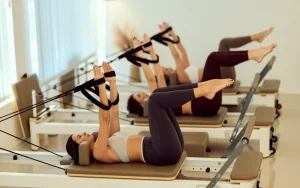
As we age, we naturally lose muscle mass and strength unless we actively work to maintain them. Strength training, cardiovascular exercise, flexibility, and balance all play important roles in keeping us healthy and independent.
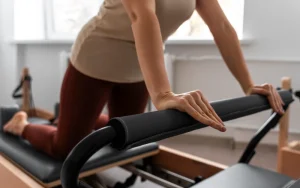
Whether you’re lifting weights, taking a Pilates class, playing pickleball, or enjoying one of our many group fitness classes, you’re doing something good for your future health.
And remember, it’s not just about how much you exercise. It’s also about staying active throughout the day. Walking, taking the stairs, gardening, and simply moving more all count.
The goal: Keep moving, build strength, and make exercise a regular part of your life.
2. Nutrition: Fuel Your Body Well
Good nutrition doesn’t have to be complicated, and it certainly doesn’t mean following a restrictive diet.
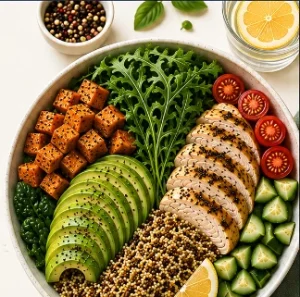
As we get older, getting enough protein becomes especially important to help maintain muscle mass. Fiber is another nutrient many of us don’t get enough of, and it plays an important role in digestive health, blood sugar regulation, and heart health.
Eating a variety of fruits, vegetables, whole grains, healthy fats, and quality protein sources gives our bodies the nutrients they need.
Through our nutrition programs, wellness challenges, and educational workshops, we try to make healthy eating a little easier to understand and put into practice.
The goal: Eat well most of the time, focus on getting enough protein and fiber, and remember that consistency matters more than perfection.
3. Sleep: Don’t Underestimate Its Power
Sleep affects just about everything, from our memory and immune system to metabolism, mood, and physical recovery. Yet, as we get older, getting a good night’s sleep can sometimes feel like a challenge!
Most adults need 7–9 hours of sleep each night. Developing good sleep habits, often called sleep hygiene, can make a real difference.
Here are a few things worth trying:
- Keep your bedroom cool, dark, and quiet. Blackout curtains, a fan, or a white noise machine can help.
- Put the screens away. Try to avoid scrolling through your phone or watching TV in bed. Give yourself 30–60 minutes to wind down without screens.
- Create a bedtime routine. Read a book, take a warm bath, do some gentle stretching, or enjoy a cup of caffeine-free herbal tea.
- Be consistent. Try to go to bed and wake up around the same time each day, even on weekends.
- Watch your caffeine intake. That afternoon coffee may be interfering with your sleep more than you realize.
And here’s another reason to keep exercising. Regular physical activity can help improve sleep quality.
The goal: Make sleep a priority and find a nighttime routine that works for you.
4. Stress Management: Sometimes We Just Need to Breathe
Stress is part of life. We all experience it, but when it becomes chronic, it can affect our physical and emotional health.
During our recent wellness trip to Madeira, I learned quite a bit about the importance of something we do all day long without giving it much thought. Breathing!
Stephanie and I talked about the sympathetic nervous system, which controls our body’s “fight or flight” response. When we’re stressed, our heart rate increases, our breathing often becomes faster and shallower, and our body goes into a heightened state of alert.
What I found particularly interesting was how something as simple as slowing down our breathing can help activate the parasympathetic nervous system, our body’s “rest and digest” response.
One technique Stephanie taught us was to inhale halfway, then fully, then opening your mouth and slowly exhale. Repeat this for a minute or two, keeping your breathing comfortable and relaxed. It’s amazing how something so simple can help us feel calmer.
Of course, exercise is another great way to manage stress. Yoga, Pilates, stretching, meditation, or even going for a walk can all help.
And sometimes that hour you spend at Fitness Unlimited isn’t just about getting a workout in. It’s an opportunity to take a break from everything else going on in your day.
The goal: Find ways to manage stress that work for you. And don’t forget to breathe!
5. Social Connection: We Really Are Better Together
This is one of my favorite pillars, and one I think we sometimes overlook.
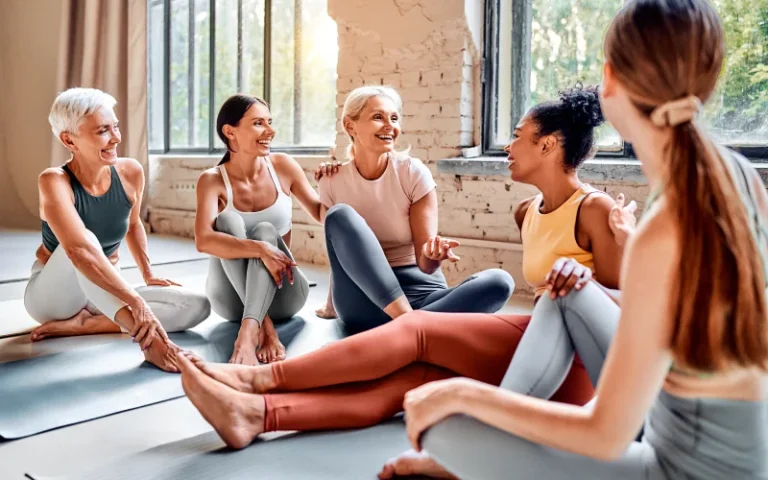
Research has shown that strong social connections are associated with better physical and mental health and a longer life. Having friends, feeling connected, and being part of a community really do matter.
This is something I especially love about Fitness Unlimited.
Between our book club, pickleball, fitness and wellness trips, special events, and all of our group fitness classes, there are so many opportunities to meet people and build friendships.
I’ve seen firsthand how friendships develop here. Women who initially came in just to exercise end up finding friends, workout partners, and a whole new social circle.
And sometimes knowing that your friends will be waiting for you at class is all the motivation you need to show up!
The goal: Make time for friendships, stay connected, and don’t be afraid to put yourself out there and meet someone new.
6. Brain Health & Purpose: Never Stop Learning
Keeping our brains active is just as important as keeping our bodies active.
Learning new things, reading, traveling, trying unfamiliar activities, and staying socially engaged can all support cognitive health as we age.
Having things to look forward to and a sense of purpose also contribute to our overall well-being.
Maybe it’s joining our book club, trying pickleball for the first time, taking a class you’ve never tried, or signing up for one of our fitness and wellness trips.
I think it’s important that we continue to challenge ourselves, both physically and mentally, no matter our age.
The goal: Stay curious, try new things, and keep finding activities that you enjoy.
Bringing It All Together
When you look at these six pillars, it’s interesting how connected they really are. Exercise can help us sleep better and manage stress. Eating well supports our energy and physical health. Friendships and social activities give us something to look forward to, while learning new things keeps us mentally engaged.
And that’s one of the things Cindy and I love most about Fitness Unlimited. Yes, we’re a fitness club, but we’re also a place where women come together, make friendships, learn new things, and hopefully have some fun along the way.
As we head into November, I’d encourage you to think about these six pillars and where you might be able to make a small change. Maybe it’s improving your sleep routine, adding another day of strength training, trying a new class, or joining us for an event.
You don’t have to change everything at once. Sometimes it’s the small things we do consistently that make the biggest difference.
After all, the goal isn’t just to live longer. It’s to be able to enjoy those extra years!
Don’t just add years to your life. Add life to your years.